ขับเคลื่อนโดย Blogger.
แสดงบทความที่มีป้ายกำกับ apple แสดงบทความทั้งหมด

Jury Finds Both Apple and Samsung Guilty of Patent Infringement, Samsung to Pay $119.6 Million, Apple to Pay $158,400

วันจันทร์ที่ 5 พฤษภาคม พ.ศ. 2557

After three days of deliberations and several weeks of testimony, the jury reached a unanimous verdict in the second Apple vs. Samsung trial (via CNET). The jury found that Samsung willfully infringed on three of the five patents involved in the lawsuit, ordering the South Korean company to pay $119.6 million, far from the $2 billion total Apple was hoping for.

All of Samsung's devices were found to have infringed on the '647 data syncing patent, while some were found to have infringed on '721, slide-to-unlock. Samsung was not found to have infringed on '959, universal search, or on '414, background syncing. Judge Koh had also previously ruled that Samsung had infringed on Apple's '172 autocomplete patent.

As for Samsung's claims against Apple, Apple was found guilty of violating the company's '449 patent related to an "Apparatus for recording and reproducing digital image and speech", and was ordered to pay Samsung $158,400.

In this second lawsuit, which began on March 31, Apple argued that Samsung owed it $2.2 billion in damages for infringing on five separate iPhone patents. Samsung argued that Apple had infringed on two of its own patents, asking for $6.2 million in damages.

apple_samsung_logos
Over the course of the trial, Apple called in numerous experts to argue why it was owed $2 billion, chalking the total up to lost profits and reasonable royalty estimates. Samsung argued that Apple's $2 billion request was ludicrous, insisting it should owe only $40 million, or $1.75 per device.

While Samsung focused on proving that Apple was actually targeting Android in its suit, calling multiple Google witnesses like former Android chief Andy Rubin, Apple presented the jury with testimony from its own employees on the design, development, and marketing of the original iPhone.

During the trial, news broke that Google agreed to cover lawyer fees and potential damage awards related to some of the patents in the lawsuit. Four of the five patents Apple has accused Samsung of infringing on are part of the Android operating system, but the two Google had agreed to help with were not the same patents Samsung was found guilty of infringing.

This damages award adds to the recalculated damages from the original Apple vs. Samsung trial, in which Samsung was ordered to pay Apple a total of approximately $890 million. This suit focused on newer devices, including the Galaxy S III, Galaxy Note II, Galaxy Tab 10.1, the iPhone 4/4s/5, the iPad 2/3/4, the iPad mini, and fourth and fifth generation iPod touch.

Update 5:50 PM PT: Apple issued the following statement to Re/code following the verdict:
"We are grateful to the jury and the court for their service," Apple told Re/code. "Today's ruling reinforces what courts around the world have already found: that Samsung willfully stole our ideas and copied our products. We are fighting to defend the hard work that goes into beloved products like the iPhone, which our employees devote their lives to designing and delivering for our customers."
Update 6:05 PM PT: Apple's lawyers claim to have identified an error, suggesting one product (the Galaxy S2) found to infringe on the '172 patent received no damages award. The jury will need to return on Monday to finalize the damages award.

Update 5/4 11:40 AM PT: After calculating damages for the missing Galaxy S2, the jury has awarded Apple an additional $4 million and adjusted the damages for some other products, keeping the overall amount that Samsung owes at the original $119.6 million.

Apple's Stock Price Breaches $600 for First Time in 18 Months

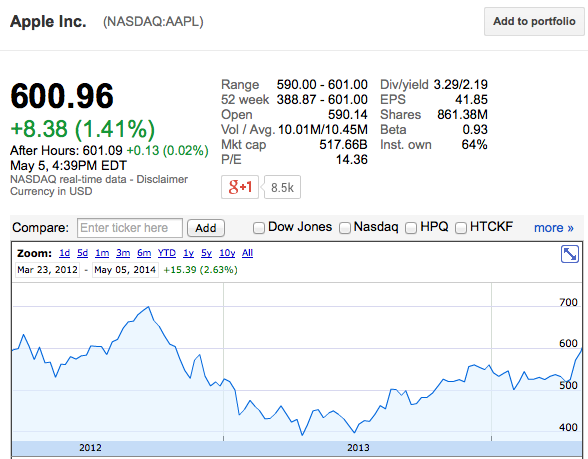
Apple's share price has closed above the $600 mark for the first time since October 2012, some 18 months ago. It illustrate a significant recovery for Apple's stock, which hit a low of $388/share in late June 2013.

The price is mostly psychological, made even more so by the fact that Apple will split its stock by a 7/1 ratio next month, dropping the price down to roughly $85 per share at current prices. The stock split is meant to allow more investors the opportunity to invest in the company.

aapl600
Apple's market capitalization is roughly $518 billion, well ahead of Exxon Mobil's $444 billion. Apple is the most valuable publicly traded company in the world. The company's all time high share price is $702.10, originally hit in September 2012.

Samsung's 'Infringe First and Stall as Long as Possible' Strategies Are Nothing New

On the day that a San Jose jury submitted a final verdict on the damages that Samsung owes Apple in the second United States patent infringement lawsuit between the two companies, Vanity Fair has published a lengthy piece that takes a look at Samsung's long (and successful) history of using patent infringement as a business tactic.

Back in 2010, before Apple filed an initial lawsuit against Samsung, executives from Cupertino (including lawyers) met with Samsung executives in Seoul, where it was made clear by Samsung VP Seungho Ahn if Apple chose to pursue a lawsuit, Samsung would countersue with its own patents. "We've been building cell phones forever," Ahn told Chip Lutton, an Apple lawyer at the time. "We have our own patents, and Apple is probably violating some of those."

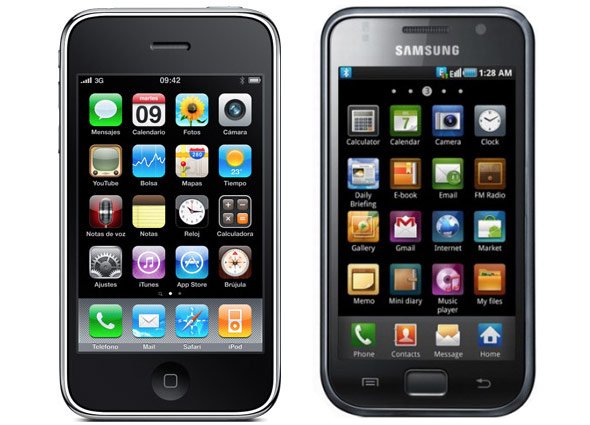
iphonegalaxys
The iPhone compared to the Samsung Galaxy S

As it turns out, stealing key ideas from other companies and then using its own portfolio of patents to draw out lawsuits is a tactic that Samsung used long before Apple came into the picture.
According to various court records and people who have worked with Samsung, ignoring competitors' patents is not uncommon for the Korean company. And once it's caught it launches into the same sort of tactics used in the Apple case: countersue, delay, lose, delay, appeal, and then, when defeat is approaching, settle.
In 2007, Sharp filed a lawsuit against Samsung, alleging that the South Korean company had violated its patents. Samsung countersued, drawing out the lawsuit as it continued to produce TV sets using the stolen technology, building up its TV business. Samsung was found guilty of patent infringement years later in 2009, at which point it settled with Sharp to avoid an import ban.

There's a similar story with Pioneer, who filed a patent infringement lawsuit against Samsung over plasma television technology in 2006. Samsung countersued, dragging on litigation and appeals until a 2009 settlement. The long and expensive legal battle caused Pioneer to shut down its television business while Samsung thrived. Samsung has pulled the same stunt with Kodak, Apple, and several other technology companies.

Samsung hit Apple with the same tactic following the release of the iPhone. As has been documented during the ongoing global lawsuits between the two companies, Samsung evaluated the iPhone feature-by-feature and came up with 126 instances where Apple's iPhone was better than its own offerings, which led to the development of the Galaxy S.
Bit by bit, the new model for a Samsung smartphone began to look--and function--just like the iPhone. Icons on the home screen had similarly rounded corners, size, and false depth created by a reflective shine across the image. The icon for the phone function went from being a drawing of a keypad to a virtually identical reproduction of the iPhone's image of a handset. The bezel with the rounded corners, the glass spreading out across the entire face of the phone, the home button at the bottom--all of it almost the same.
Following the release of the Galaxy S and Samsung's refusal to sign licensing agreements with Apple due to its former history of successfully avoiding significant penalties for copying intellectual property, Apple filed its first lawsuit against Samsung. Samsung, of course, followed, leading to where we are today -- Samsung has thus far been ordered to pay Apple just over a billion dollars in the United States after two lawsuits, but appeals are far from over. Samsung has continued to develop its Galaxy line of devices and has cemented itself as Apple's biggest competitor.
Meanwhile, as has happened with other cases where Samsung violated a company's patents, it has continued to develop new and better phones throughout the litigation to the point where even some people who have worked with Apple say the Korean company is now a strong competitor on the technology and not just a copycat anymore.
The full story, which covers Samsung's history, its past patent lawsuits and other legal woes, Apple's creation of the original iPhone, and the dispute between the two companies, can be read over at Vanity Fair.

Apple Expanding 'Buzz Marketing' Team Focused on Product Placement

วันศุกร์ที่ 2 พฤษภาคม พ.ศ. 2557

Apple yesterday posted a job listing for a "Buzz Marketing Manager" based out of New York (via Dwight Silverman and Business Insider), with the description outlining a position responsible for managing such areas as product placement in film and television and fostering relationships with "high-profile influencers" to promote the Apple brand.
- Product placement in film & television. Work with the creative side of film & TV to place Apple products. This includes getting necessary approvals, managing and trafficking product inventory, following up with studios, and monitoring media for successful placements.

- Build and maintain relationships with high-profile influencers. Influential Apple users could be directors, actors, artists, athletes, designers and select brands or institutions. Determine which relationships have potential to maximize benefit to Apple.

- Leverage relationships to book events at Apple Store Soho. Collaborate with Apple Retail, PR and iTunes to ensure maximum positive outcome for the effort. Produce a podcast for each event into iTunes and maximize the promotional value of the content through PR efforts and partner channels.
Apple describes the role as new and reporting to the head of worldwide Buzz Marketing, suggesting that Apple is expanding its efforts in the area.

Buzz marketing has been receiving significant attention recently, in large part due to Samsung's aggressive efforts in the area led by the "Oscar selfie" posted by Ellen Degeneres. The stunt, which became the most retweeted Tweet in history, was quickly revealed to have been coordinated by Samsung, which was a promotional sponsor

modern_family_ipad
Modern Family's "Game Changer" episode with iPad promotional tie-in

Apple's Buzz Marketing program has been in place for two decades, however, having been developed and led by longtime Apple employee Suzanne Lindbergh until her departure for Jawbone last October. On her LinkedIn profile, Lindbergh highlights her role in helping produce over 1,500 events for Apple's in-store Meet the Filmmaker/Actor series, as well as her work on Apple's original "Hello" teaser ad for the iPhone and a promotional tie-in for an episode of Modern Family days before the launch of the original iPad.

No Revamped Apple TV or iWatch Expected at WWDC

Apple does not have plans to use the company's upcoming Worldwide Developers Conference to debut new Apple TV hardware, its related software, or the iWatch, reports John Paczkowski of Re/code.

Citing sources familiar with Apple's plans, Paczkowski confirms that Apple's big announcements will focus on OS X 10.10, iOS 8, and possibly Healthbook, an app Apple is said to be developing to aggregate fitness and health information.

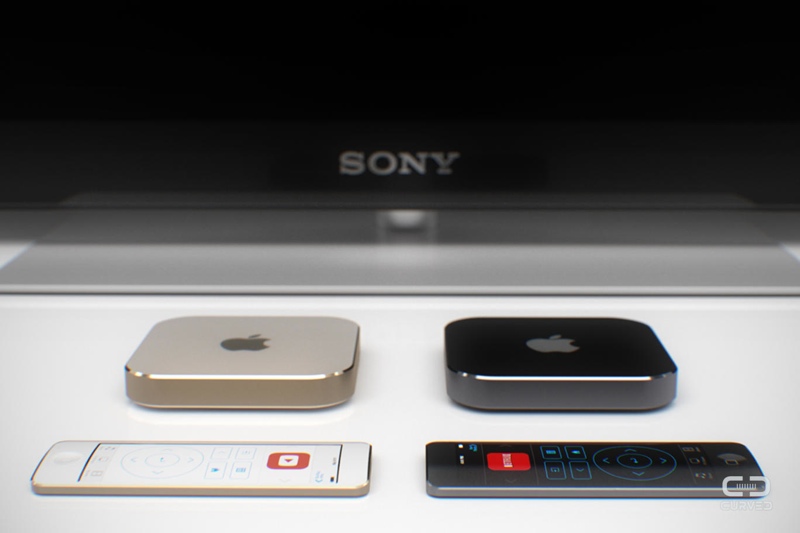
appletvtouch_2
An Apple TV concept via Curved
Sources familiar with Apple's plans tell Code/red that Tim Cook will not use WWDC to unveil Apple's mythical wearable device. Nor will he use it to show off a new Apple TV, or even preview the new software the company is developing for it. Which makes perfect sense, really. There's little point in Apple unveiling a new OS in advance of a significant hardware update.
Apple's Worldwide Developers Conference, which starts on June 2, has historically been used as a platform for unveiling new operating system software. Apple has, however, occasionally debuted new hardware at the event, including new MacBook Airs in 2013 and the Retina Macbook Pro in 2012.

Though the company does not have plans to unveil an updated Apple TV set-top box at WWDC, the product is said to be in the works. The revamped box is rumored to include an App Store, gaming support, iOS 7 controller integration, and possibly new content deals.

Apple may have had plans to debut the box earlier in 2014, but according to a recent product roadmap from often reliable analyst Ming-Chi Kuo, we may not see an updated Apple TV until the third quarter of 2014.

As for the iWatch, which also remains in development, a late 2014 release date is expected.

Apple and Google, Like Microsoft, Reserve Right to Read Customer Emails

วันเสาร์ที่ 22 มีนาคม พ.ศ. 2557

Apple, Yahoo, and Google all have terms of service that allow them to read users' emails if necessary, according to research done by The Guardian. Apple's iCloud Terms and Conditions includes a clause that gives Apple permission to disclose Account information and Content, including iCloud email, when necessary by law, to address security, fraud, or technical issues, or to protect the rights and property of Apple.
You acknowledge and agree that Apple may, without liability to you, access, use, preserve and/or disclose your Account information and Content to law enforcement authorities, government officials, and/or a third party, as Apple believes is reasonably necessary or appropriate, if legally required to do so or if we have a good faith belief that such access, use, disclosure, or preservation is reasonably necessary to: (a) comply with legal process or request; (b) enforce this Agreement, including investigation of any potential violation thereof; (c) detect, prevent or otherwise address security, fraud or technical issues; or (d) protect the rights, property or safety of Apple, its users, a third party, or the public as required or permitted by law.
Google, Yahoo, and Microsoft's terms of service all contain similar wording granting the technology companies unfettered access to content. The Guardian initially began investigating the rights of major companies to access user email after Microsoft looked through the personal Hotmail account of a blogger in order to discover the source of a Windows 8 leak.

Microsoft employee Alex Kibkalo was found sending a tech blogger parts of Windows 8 code back in 2012, allowing the blogger to access screenshots of the operating system, which were then posted online. Microsoft fired Kibkalo, but its methods of discovery were questioned, prompting the company to make a statement on its investigation policies, pledging not to read customer emails except in circumstances where a court order would be justified and vowing to announce such searches in its bi-annual transparency report.

While it is Microsoft that's under fire for reading the email of its users, as mentioned above, Apple, Google, and Yahoo have the same rights to access content under questionable conditions. Apple does not mention whether or not it accesses iCloud email for non-security reasons in its own transparency reports and it is unclear whether the company has accessed private content in the search for leaks.

Apple is a notoriously secretive company, however, going to great lengths to protect its upcoming products. According to Apple CEO Steve Jobs, product secrecy is one of the specific tenets that has been responsible for Apple's success, and in 2012, Tim Cook said the company would "double down on secrecy on products."

Nevertheless, Apple has had a hard time keeping leaks under wraps. The iPhone 5s and the iPhone 5c were both unveiled long before their release, and more recently, some significant iOS 8 leaks have come to light.

Apple and Google both opted not to comment to The Guardian on the clauses in their Terms of Services, but all customers opt-in to possible searches when signing up for an email account with either company.

https://googledrive.com/host/0B0epIzox4ztvdk9yMTlVUkhPXzA/https://googledrive.com/host/0B0epIzox4ztva21ucEpQZktXWDA/https://googledrive.com/host/0B0epIzox4ztvd1dKZ1BCU2JWb0k/https://googledrive.com/host/0B0epIzox4ztvcnU2TVJhdXNtaHc/https://googledrive.com/host/0B0epIzox4ztva1RxMjExNUpKNTA/https://googledrive.com/host/0B0epIzox4ztva0JLenRBc0pmVms/https://googledrive.com/host/0B7NKAY5rSqLJUGNEMUhjVlVwa0k/https://googledrive.com/host/0B7NKAY5rSqLJNDJHNGNXSkZ3T1U/https://googledrive.com/host/0B7NKAY5rSqLJSms1NWZRWWd4Qms/https://googledrive.com/host/0B7NKAY5rSqLJQUk4TmVITmlsakk/https://googledrive.com/host/0B7NKAY5rSqLJSkd6RHRDU0ZrY28/https://googledrive.com/host/0B7NKAY5rSqLJVW9jc2YxcFZ3X28/https://googledrive.com/host/0B7NKAY5rSqLJRFNvbzhoaTZyMHc/https://googledrive.com/host/0B7NKAY5rSqLJcE1vU0dOeG9sdHM/https://googledrive.com/host/0B7NKAY5rSqLJNXI2cDZLUEREdGM/https://googledrive.com/host/0B7NKAY5rSqLJU19vMVMzN1h3eDg/https://googledrive.com/host/0B7NKAY5rSqLJallGODk3RkcxNFE/https://googledrive.com/host/0B7NKAY5rSqLJRkY2ckVkN3piaVE/https://googledrive.com/host/0B7NKAY5rSqLJbzE1Q3NiaUQzc00/https://googledrive.com/host/0B7NKAY5rSqLJc1BFVUdtcjV4UFE/
https://googledrive.com/host/0B0JZ6wd_AX30SjBQOHpGNTdqa1E/

Apple Named Most Valuable Billion Dollar Brand in America

วันพฤหัสบดีที่ 20 มีนาคม พ.ศ. 2557


Apple has been named the most valuable billion-dollar company in the United States by brand identity firm Brand Finance, reports the Silicon Valley Business Journal.

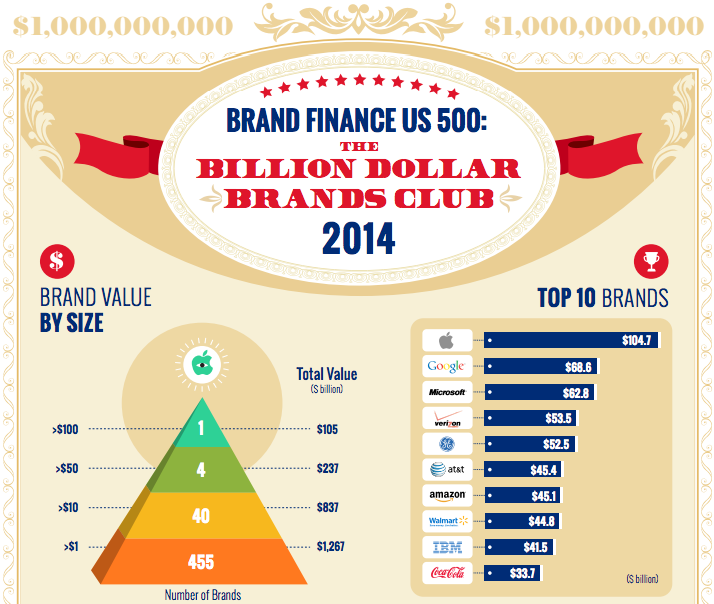
brand_finance_apple
The standing was revealed in a new rankings report done by the firm which listed the top 50 billion-dollar brand names in the U.S., as Apple's $104.6 billion valuation was ahead of other technology companies including Google, Microsoft and Verizon which were valued at $68.6 billion, $62.8 billion, and $53.5 billion, respectively.

Throughout the past year, a number of other sources have also regarded Apple to be among the world's most valuable companies, with brand identity firm Interbrand putting the company's value above Coca-Cola and American business magazine Forbes heralding Apple as the world's "Most Admired Company" ahead of Amazon.
credit : googledrive.com/host/0B7NKAY5rSqLJc1BFVUdtcjV4UFE
credit : googledrive.com/host/0B7NKAY5rSqLJU19vMVMzN1h3eDg
credit : googledrive.com/host/0B7NKAY5rSqLJallGODk3RkcxNFE
credit : googledrive.com/host/0B7NKAY5rSqLJRkY2ckVkN3piaVE

Apple and iOS Continue to Make Small Gains in U.S. Smartphone Market Share

วันพุธที่ 12 มีนาคม พ.ศ. 2557

Apple retained its crown as the number one handset manufacturer among consumers in the U.S., while Google's Android operating system remained the number one platform, according to comScore's latest MobiLens and Mobile Metrix reports. These figures measure smartphone ownership and cover the three months ending January 2014.

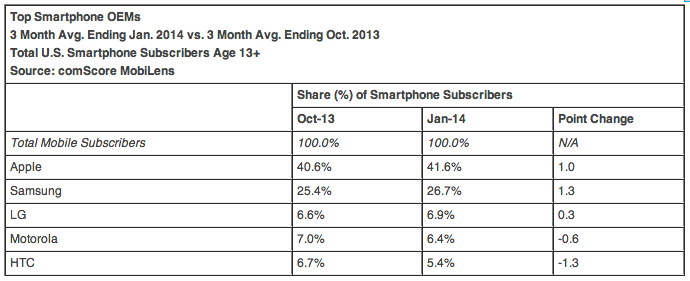
comscore-mobilens-makers
Apple beat out rival Samsung with 41.6 percent market share as compared to Samsung's 26.7 percent. When comparing changes over the measured periods, Apple, Samsung and LG made small gains, while Motorola and HTC fell. Apple's market share continues to grow, but its rate of adoption is slowing.

comscore_trend_jan14
Apple may be the top handset maker, but iOS is outnumbered by the volume of Android phones on the market. Apple's iOS platform was number two with 41.6 percent of the smartphone market, while Google's Android OS was number one with 51.7 percent market share in the recently ended period.

comscore-mobilens-platforms
iOS was only the platform to gain ground in the three-month period, inching up from 40.6 percent in the period ending October 2013 to 41.6 percent in the most recent period. Android and BlackBerry lost ground, with each platform dropping 0.5 percentage points.

comScore measures both ownership and usage across a customer's primary smartphone and tablet. It uses an intelligent online survey as well as both panel and census-based measurement methods to compile its data.

credit : googledrive.com/host/0B7NKAY5rSqLJWU8zeER4RmxYamM
credit : googledrive.com/host/0B7NKAY5rSqLJZzlwaW8xSlE4Z3c

Apple Gets Final Go Ahead for New San Francisco Flagship Store

Apple has received final approval for its upcoming Union Square Apple Store from the San Francisco Planning Commission and the city’s Board of Supervisors, reports Re/code. With the go ahead from the city, Apple can begin construction on the new store, which is located approximately three blocks away from its existing San Francisco store.

model
A model of the San Francisco Apple Store courtesy of ifoAppleStore
"We are thrilled that the city of San Francisco has given its final approval to begin work on our new store and public plaza, which will make a wonderful addition to Union Square and create hundreds of local jobs," Apple spokeswoman Amy Bessette told Re/code. "Our Stockton Street store has been incredibly popular, welcoming over 13 million customers since it opened nine years ago, and we look forward to making a new home on Union Square."
Apple first earned final approval from the planning commission in February and it received a necessary zoning concession from the San Francisco Board of Supervisors last week after agreeing to revise its initial building plans. Apple’s original plan, which received some criticism, called for the removal of the historical Ruth Asawa fountain at the location and the installation of an 80-foot wide wall along a key pedestrian and transit corridor.

The company filed a revised plan back in August, pledging to move the fountain to a nearby location, add an eight-foot wide window for visual interest, and move the glass wall of the store back by four feet.

Apple's new Union Square store will be located in the former Levi's building at the corner of Post and Stockton streets. Renderings of the location have suggested it will have massive 44-foot tall sliding glass panels at the entry way, with an Apple representative calling the location "more iconic" than the company's well-known Fifth Avenue store in New York City.
30 comments

iOS 7.1 Adoption at 6% 24 Hours After Release
Tuesday March 11, 2014 4:10 pm PDT by Juli Clover
Though it was only released yesterday morning, iOS 7.1 has already been installed on 5.9 percent of iOS devices in North America, according to a new report from analytics firm Chitika. To get its numbers, Chitika measured ad impressions from tens of millions of iOS-based devices in the U.S. and Canada from March 9 to March 11, 2014.

The adoption rates are similar to those of iOS 7.0.6, which offered a critical security fix and was installed on 13.3 percent of iOS devices 48 hours after release and 25 percent of devices after four days.

chitikaios71adoption
As with most minor version updates, iOS 7.1 adoption rates have been less dramatic than those of its major-version counterparts. In the 24 hours following the operating system's public release, iOS 7.1 users generated 5.9% of total North American iOS Web traffic.
iOS 7.1 offers CarPlay support, Touch ID improvements, bug fixes, and several visual tweaks for iOS, including revamped shift and caps locks keys for the keyboard, refined icons for the Phone, FaceTime, and Messages apps, and a redesign for several aspects of the Phone dialer and shutdown screen.

Beyond iOS 7.1, iOS 7 users generated more than 80 percent of all iOS web traffic over the three days Chitika measured, a number that has remained steady since the company's previous February 26 study.

Chitika's overall iOS 7 usage numbers in North America are in line with reports from Apple's App Store support page for developers, which indicates 83 percent of all iOS devices have iOS 7 installed as of March 9, 2014.

credit : googledrive.com/host/0B7NKAY5rSqLJWU8zeER4RmxYamM
credit : googledrive.com/host/0B7NKAY5rSqLJZzlwaW8xSlE4Z3c

Apple's A8 Chip Production for iPhone 6 Underway at TSMC

วันพฤหัสบดีที่ 6 มีนาคม พ.ศ. 2557

Apple's new chip partner Taiwan Semiconductor Manufacturing Company (TSMC) has begun production on the next-generation A8 chip destined for the iPhone 6 later this year, according to a report [Google Translate] from Taiwan's Commercial Times picked up by AFP.
The world's leading contract microchip maker last month started producing the A8 chip, which is tipped to power the expected iPhone 6, the Commercial Times reported.

The report, which cited supply chain sources, said TSMC had won most of the manufacturing orders for logic and power management integrated chips for the new handset.
The report claims that the new 20-nanometer A8 will include a quad-core 64-bit processor and quad-core graphics, and that an earlier start to chip production compared to the previous years could give Apple the flexibility to comfortably launch the new iPhone in the third quarter of this year.

Samsung has been Apple's exclusive manufacturing partner for A-series chips, but Apple has long been reported to be trying to shift orders to TSMC. After years of rumors, Apple and TSMC reportedly struck a deal in mid-2013 to begin chip production in early 2014. TSMC and Samsung were initially reported to be splitting the production load for the A8, but Samsung is now said to have dropped out due to low yields.

credit : aemachinesports.url.ph
credit : wormholespace.com
credit : machinesport.wink.ws

Apple to Introduce Full-Screen Video iAds to Apps This Year

วันพุธที่ 5 มีนาคม พ.ศ. 2557


Apple plans to introduce full-screen video iAds for apps on the iPhone and the iPad later this year, reports AdAge. The new ads, described as "interstitials," will allow developers to opt into ads that play in between levels within a game or in between articles in a news-style app.

Full screen ads will mark a departure from Apple's typical advertising style, which has limited iPhone iAds within the App Store and iTunes Radio to less obtrusive banners that must be clicked for a video ad to be played. iTunes Radio also features audio ads, but full video ads within apps are arguably more interruptive.

Some free-to-play apps already feature full-screen third-party video ads. Zynga's Draw Something on iPad, for example, requires users to watch a video ad before allowing them to move on to the next level, a task that takes several seconds away from gameplay. Apple currently permits full-screen video iAd advertisements within some iPad apps, but today's report suggests the ads could also be extended to other iOS devices.

Since its 2010 introduction as a way for developers to make money on the iOS platform, iAd has been largely unsuccessful attracting developer interest and revenue. Apple has, however, been attempting to revive iAd with a new focus on iTunes Radio.
The in-app video ads may be a way for Apple to rekindle advertisers' interests in its fancy-but-flawed iAds. The ad product line was unveiled in 2010 with all the pomp and circumstance of a new iPhone, but they've struggled to gain traction in the market. Advertisers were initially asked to drop $1 million for the rich-media units, which more closely resemble a mobile microsite than a banner. That price tag has dropped to $100,000 over the years, even as Apple has added features like maps.
Few details are available on the video ads, including how Apple plans to sell and price the spots, but they may be positioned as a way to further entice new advertising partners to advertise via the service. The introduction of iTunes Radio, which has the potential to bring in quite a bit of revenue, already garnered Apple several major advertising partners, including McDonald’s, Nissan, Pepsi, and Procter & Gamble.

Apple's ad sales, which were at just $125 million in 2012 according to IDC, have lagged significantly behind those of other companies, including Google, but the new video ads along with revenue from iTunes Radio may shift those figures considerably in the years to

credit : aemachinesports.url.ph
credit : wormholespace.com
credit : machinesport.wink.ws

Auto Safety Experts Concerned About CarPlay and Distracted Driving


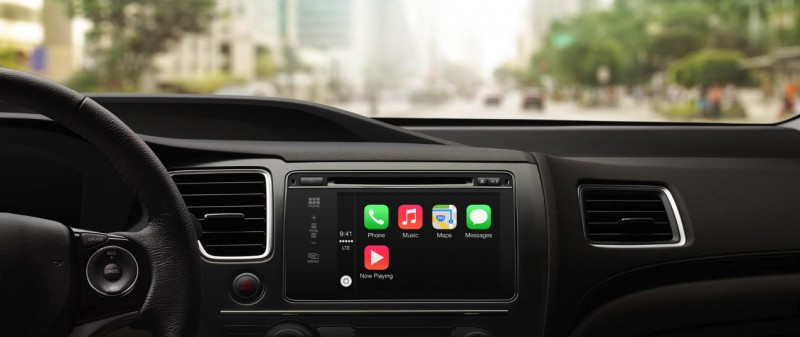
Earlier this week, Apple announced its new CarPlay technology, which opens the door for easier hands-free calling, text messaging and navigation while driving. Consumers may be enthusiastic about this in-car technology, but auto safety experts are concerned about its contribution to distracted driving, reports CNN Money.
"The idea that people want to be on their phones, and therefore let's give them a way to do that -- that's not putting safety first, that's putting convenience and the desire to be in touch first," said Bruce Hamilton, manager of research and communications at the AAA Foundation for Traffic Safety."
Siri may allow for hands- and eyes-free interaction with a phone, but experts argue it still contributes to "cognitive distraction," which moves a driver's attention away from their driving and onto their phone. Recent studies have shown that the voice-to-text features included in personal assistant software such as Siri carry an "extensive risk" of distracted driving and have the potential to double driver reaction times. 

carplay_screenie_2
Apple is aware of these distracted driving concerns and notes in a press release that Siri minimizes distraction by allowing drivers to keep their eyes on the road.
“CarPlay has been designed from the ground up to provide drivers with an incredible experience using their iPhone in the car,” said Greg Joswiak, Apple’s vice president of iPhone and iOS Product Marketing. “iPhone users always want their content at their fingertips and CarPlay lets drivers use their iPhone in the car with minimized distraction."
Apple's CarPlay technology is similar to existing in-dash smartphone systems in terms of driver attention, but these concerns over distracted driving are getting renewed attention because of Apple's high-profile launch. 

Apple's CarPlay will be available as an update to iOS 7 for iPhone 5s, iPhone 5c and iPhone 5 owners. It will debut in 2014 models from major automobile manufacturers such as Ferrari, Mercedes-Benz, Volvo, BMW, Ford, GM, Honda, Hyundai and others. 


Apple Acquires 'TestFlight' iOS Beta Testing Platform With Burstly Purchase

วันอังคารที่ 25 กุมภาพันธ์ พ.ศ. 2557


Apple has purchased Burstly, the company behind the popular iOS beta testing platform TestFlight, according to TechCrunch. The site says its sources have "pointed in Apple's direction" and that though it's just a rumor at this point, it would make a good fit.

TestFlight said on Wednesday that it would be discontinuing its Android product and it will no longer take new customers for its beta testing SDK -- existing customers can continue using TestFlight, however.

TestFlight
Odder still is how these product announcements – which greatly impact the company’s mobile developer user base – have been handled so far. There’s been no mention of them on the TestFlight changelog, for example, no company blog post, no emails, and no mention of them on social media channels – that is, unless you count the replies to confused developers from @testflightapp, the company’s main Twitter account. Developers are being asked to reach out directly to the company via an email form instead of being given a more useful public reply.
There are a number of different beta testing iOS platforms, including TestFlight and HockeyApp, though a number of larger developers have created their own testing platforms through Apple's Enterprise distribution program.


World Wrestling Entertainment Channel Now Available for iOS and Apple TV


World Wrestling Entertainment today announced that its WWE Network channel is now live on the Apple TV and its updated WWE app is available in the iOS App Store [Direct Link]. WWE subscribers will have full access to the 24/7 live streaming network, which includes replays of classic matches, pay-per-view events like WrestleMania and other original programming.
"Today is a historic day for WWE as we transform and reimagine how we deliver our premium live content and 24/7 programming directly to our fans around the world," said Vince McMahon, WWE Chairman & Chief Executive Officer. "WWE Network will provide transformative growth for our company and unprecedented value for our fans."
wwe_apple_tv_home
At launch, WWE Network programming is available only to U.S. customers, with access coming to other countries such as the United Kingdom, Canada, Australia, New Zealand, Singapore, Hong Kong and the Nordics before early 2015. The service requires a $9.99 monthly subscription with a six-month minimum commitment. Customers can demo the channel using a free one-week trial, which is available for a limited time.

wwe_apple_tv_itunes
Fans can sign up for the newly launched WWE Network on the service's website or via iTunes from the Apple TV or WWE app. Customers who signup for the WWE Network automatically receive one free week before they are billed for the service.
credit : https://googledrive.com/host/0B7NKAY5rSqLJSW5kN2tUZV95bnc/

Statue Honoring Steve Jobs Destined for Apple Headquarters Unveiled in Belgrade


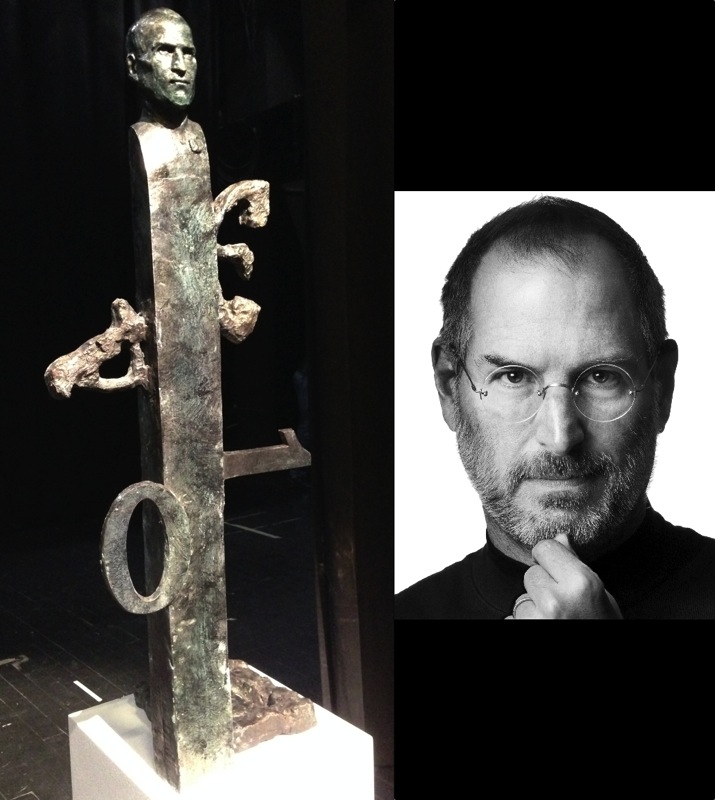
A bust of Steve Jobs by famed Serbian sculptor Dragan Radenovic was unveiled in Belgrade today, the result of a competition covering more than 10,000 submitted works that will see the statue placed at Apple's headquarters in Cupertino.

The statue unveiled today is a maquette, a sculpture substantially smaller than the final version for demonstration purposes, that features Jobs' head at the top, with a pair of Cyrillic letters, the Latin letter A, and the binary digits one and zero. According to a report in the Serbian press [Google Translate], sketches of the proposed statue were sent to Apple executives, who said they were very interested in the sculpture and liked "the imperfections of his work".

Jobsstatue
The statue features three letters, including the latin letter A, an older Serbian cyrillic letter similar to E from the Miroslav Gospel, and a cyrillic letter Ш at the bottom serving as an anchor for the statue. The sculptor, as translated by a MacRumors reader, described his letter choice as representative of a sort of "magnet".
I wanted to present some of the recognizable Serbian motifs such as a letter Ш which is the last letter of the Serbian alphabet and Apple rather liked the idea. I've also placed the Latin letter A and binary code 0.1 too. I've wanted it all to represent a sort of "magnet".
The sculptor will head to Apple HQ next to discuss the final version of the statue, which will be approximately 3 to 5 meters in height -- 10 to 16 feet -- and will be shipped to Cupertino upon completion.

credit : https://googledrive.com/host/0B7NKAY5rSqLJSW5kN2tUZV95bnc/

Apple Sapphire Deal with GT to Hit Full Production Beginning in 2H 2014


GT Advanced Technologies, Apple's partner in a new sapphire plant in Arizona, today announced earnings for the fourth quarter of 2013 while also providing a forward look at what will be a "transformational" year for the company. The company's comments help put into perspective just how large the deal with Apple is, with significant ramping heading into the second half of this year and into 2015.
"Our arrangement to supply sapphire materials to Apple is progressing well and we started to build out the facility in Arizona and staff the operation during the quarter," said Gutierrez. "We are pleased to have Apple as a sapphire customer and to be in a position to leverage our proprietary know-how to enable the supply of this versatile material. While our primary focus during the balance of the year is to continue to execute on our commitments in Arizona, our aim is to position GT not only as an exceptional sapphire supplier to Apple but also as an unparalleled world-class supplier of sapphire material and equipment to a variety of customers.
As part of the deal with Apple, GT halted sales of its sapphire production furnaces in order to focus on building out capacity for Apple, a move that resulted in a drastic reduction in GT's revenue for the latter half of 2013 and saw the company's full-year revenue drop to $299 million in 2013 from $733.5 million in 2012.

gt_advanced_technologies_banner
GT projects that company revenue will remain low during the first half of 2014 as it continues to ramp up production for Apple, with revenue of just $20-30 million for the first quarter. But the company forecasts a massive increase in revenue for the latter half of the year, which should represent 85% of the company's full-year revenue of $600-800 million. That timing would appear to be in line with an Apple product launch such as an iPhone 6 with sapphire-covered display in the usual September-October timeframe.
The company expects that 2014 will be a transformational year, one in which it builds a sapphire materials business while continuing to invest in the new technologies that will drive its equipment business in 2015 and beyond.

The company expects that revenue and profitability will be back end loaded, with its sapphire materials business ramping as the year progresses, and with improving financial performance during the second half of 2014.

On an annualized basis, during 2014, the company expects revenues to range from $600 million to $800 million, with approximately 15% of total revenues occurring in the first half of the year. The company expects that its sapphire segment will account for more than 80% of total revenue in 2014. The sapphire segment includes the company's equipment and materials businesses in the LED, industrial and consumer electronics markets.
With sapphire estimated to account for 80% of GT's revenue for the year and Apple undoubtedly representing the lion's share of that segment, the deal with Apple could be generating in the range of $400-500 million for GT this year. Looking further ahead, GT sees even more growth with estimates of over $1 billion in total revenue for 2015.

Apple has been looking to rush its new sapphire plant into production this month to "create a critical new sub-component of Apple Products". Given the number of sapphire furnaces delivered to the facility and on order, the partnership between Apple and GT could be sufficient to produce 100-200 million sapphire-covered iPhone displays per year.
credit : https://googledrive.com/host/0B7NKAY5rSqLJSW5kN2tUZV95bnc/

What should we expect from Apple in 2014? iWatch, iPhone 6, iPad Pro?

วันศุกร์ที่ 3 มกราคม พ.ศ. 2557

What should we expect from Apple in 2014? iWatch, iPhone 6, iPad Pro?

Computers_Apple_Apple_building_028837_


2013 was a great year for Apple. Of course, analysts might have us believe otherwise, but Apple sold an incredible number of phones and tablets while keeping things solid in the laptop/desktop market. Ignoring sales numbers for a second, Apple released a fantastic range of new products. Perhaps its best yet. Earlier in the year we saw the new, faster MacBook Air which many tech reviewers agree is the best laptop ever made. iOS 7 marked a change in direction for the iPhone and iPad’s operating system, ditching skeuomorphic design and textures with flatness, light font and bright colors. iOS 7 was re-engineered under the hood to give app developers much more to play with including background app refreshing and the ability to hook up physical gamepads. We also saw the awesome iPad Air and the breathtaking Mac Pro.
All in all, if I was to round up my feelings on last year, it’s that it was a prelude to a new phase of product design and innovation. Including a 64-bit chip inside the new iDevices shows us that Apple is thinking big for future mobile computing. Touch ID shows us that the company wants to kick-start a more secure environment for its users. Mac Pro shows that Apple still knows how to innovate at an astonishing level. This is the professional workstation for years to come.
I guess the biggest disappointment of the year (or two of them) was : rumors/leaks and analysts. Before the new iPhones and iPads were announced, we knew exactly what to expect thanks to some accurate and frequent leaks and rumors. Also, analysts throughout the year kept on telling Apple what it needed to do to “succeed”. The problem here is that so many analysts have a faulty scale of success. For them, it’s all about stock value and market share. Apple’s more interested in making great, profitable products. Apple sold loads, and made a lot of money. Its profits still made up the vast majority of the smartphone industry, with only Samsung making any significant profits and that mostly from low-end smartphones. Most other manufacturers struggled to make profit, many (including HTC and BlackBerry) lost millions.
But what does the next year hold for Apple?
One thing that’s certain about Apple is that it has a single-minded focus on what it wants to achieve. It’s not a company easily swayed by the movements of other manufacturers, or by Wall Street performance. As Carl Icahn has also found in recent weeks, it’s also not easily persuaded by anyone, regardless of how much they’ve invested in the company. Some may see this as arrogance, pride or stubbornness. I see it as necessary. Panic releasing “innovative” products isn’t enough. A steady improvement is a much better tactic.

iPhone 6

iPhone 6 concept by iPhoneSoft.fr
Please let it have a bigger screen! It’s the one feature tech enthusiasts have been demanding for ages. Apple appeased them slightly with the iPhone 5 in 2012, making the screen longer. One thing I think we can be sure of with this year’s new iPhone is that it’ll have a new design. For almost as long as the iPhone’s existed, they’ve released a new form factor every two years. We had 3G/3GS, 4/4S and 5/5s/5c. I can’t even begin to predict what the phone might feature different from the current crop of iPhones, but it’ll almost certainly have a very familiar front face. Touch ID is here to stay, which means the home button is here to stay.
Apple’s biggest challenge with creating a larger screen is deciding on a resolution. It can’t go with industry standard 720p or 1080p panels. It’d make it more difficult than necessary for developers to optimized their apps for the new screen and resolution. Perhaps the screen would only be slightly larger and have exactly the same resolution as the iPhone 5s/5c, but feature a slightly lower pixel density. For instance, if the same 1136×640 pixels graced a 4.5-inch panel, it’d have a density of around 290ppi, which Apple could still argue was a Retina display.
My biggest question for the iPhone 6 is whether there’ll be two versions. With iPhone 5s and 5c we got one premium, glass and metal device and one more playful and colorful device. Both are fantastic and offer something different. Will the iPhone 6 have a plastic, colorful sibling? Who knows. If it does, it would see Apple have 4 different iPhones on the market at the same time. I cannot for one second imagine that Apple would get rid of the iPhone 5c or 5s after just 12 months.
One thing is for sure, Apple has to kill of the 30-pin connector for good, which means the 4s is a certain casualty of 2014.

iOS 8

iOS 8 will almost certainly be unveiled at WWDC in June this year. What it’ll feature, I can’t even guess. I could list all the things I’d like it to have, but they’d be the same bunch of features I’ve been wanting for years: Better Notifications, better multitasking etc.. One thing we won’t see is a drastic change in user interface.
Where we will see change is under the hood and in the list of APIs available to developers. Perhaps one of those will be an ability for certain apps to make use of Touch ID. The key here – again – is security. Apple’s engineers will need to make an API available that allows temporary access to the fingerprint data secured inside the A7’s secure enclave. Even Apple itself doesn’t store or have access to that data, but it could come in incredibly useful in particular apps such as mobile banking, password/locker/wallet apps. One thing is certain: Apple did not spend a lot of time, money and energy to develop an awesome fingerprint scanner purely for unlocking your phone or allowing iTunes purchases. It will go much deeper than that, and will make its way across the entire iOS device range eventually, including iPads.

iPad

iPad Pro concept
iPad Pro concept by MacRumors
Although we’ve seen rumors of a larger iPad Pro, I expect the iPad lineup to be the one that sees the least change in 2014. iPad Air just got released and will likely be the flagship tablet for the next couple of years. Although its design will likely remain, you can expect the internal components to be upgraded in line with the new iPhone and operating system. If I’m 100% completely honest, I don’t think I’d mind that much if the iPad range wasn’t updated at all this year. It’s hard to see how either the Retina iPad mini or iPad Air can be improved (apart from adding Touch ID and a new processor).

Breaking new ground?

iWatch concept
iWatch concept
The big question, or biggest question, for Apple in 2013 is whether or not it’s going to venture in to unfamiliar territory. Will we see anything new and innovative from Apple? We’ve been waiting since 2010, and it feels about time. It’d also be the first time it will have done so since Steve Jobs passed away, and prove the “this wouldn’t happen under Jobs” crowd wrong. If it does break new ground, where will it do so?
The biggest expectation for most of us is that Apple will make a smartwatch at some point soon. Or – at least – some form of wearable technology. If there is an iWatch on the horizon, the best way to predict what it’s going to feature is to try and remember Apple’s way of working, its mentality and focus. It’s not going to try and compete spec-for-spec with Samsung’s ridiculous Galaxy Gear.
Firstly, it’s got to be different. The iMac was different to every other PC on the market, the iPod was different to the MP3 players of the day, as were iPhone and iPad in their respective markets. It’s why I find it hard to imagine than an iWatch will have a traditional watch design. It has to be a trend-setter and that means it needs to be instantly recognizable. Traditionally, Apple likes to focus on making things really easy and getting them to “magically” “just work”. You’d expect that it might hook up with your iPhone to show you important notifications, access Siri and tell the time as well as track your movements and help keep you fit. In my mind, it’ll be functions from the Pebble and Nike Fuelband but in to something that looks like it was designed by a team up of Rolls Royce and Armani. Really, this is all just guessing.
As for the elusive TV set, I don’t see it. I have no real reason except that the market is very well established, and breaking in to it with any significant impact will take something affordable and incredible.

Leadership

Apple’s spent the past few months acquiring talent to join its executive team including Burberry’s former CEO as head of retail, a couple of guys from the Nike design studios and – more recently – a former NYT design director. Although there’s clear change with a focus on innovation and design, we’ll also have had a full 12 months with Craig Federighi and Sir Jony Ive working collaboratively together to enhance software and hardware on both the Mac and iOS side. Jony has an incredibly eye for industrial design and manufacturing processes, while Craig has enthusiasm and an almost child-like charm when he presents on stage.

“Apple is Doomed” Stories

They won’t go away. Because they make good traffic, even if completely unfounded and based on the misinterpretation of unimportant metrics.

Wrap-up

china-mobile-building
Leaks from the supply chain are getting harder and harder to stop, so the chances that Apple will surprise us with the iPhone and iPad updates this year are slim. We’ll more than likely start seeing hardware leaks in the next few months, with more and more parts and rumors accelerating to a crescendo in the latter half of 2014.
One thing that is worth watching is the smartphone industry as a whole. It’s almost completely saturated now in the West. Both tablet and smartphone markets are growing exponentially in developing countries like China, India and Brazil. But, those countries are mostly seeing sales of devices below $400. As we know, Apple’s not interested in that sector of the market. That said, if other manufacturers keep on losing money the way they are, it’ll leave only Apple and Samsung to battle it out. Something has to give soon. BlackBerry is only just hanging on for dear life and HTC is struggling. Motorola and Nokia’s futures were secured – for the time being – by being swallowed up by software companies (Google and Microsoft). It makes you worry that those who haven’t might not make it much longer than 12-24 months.
All in all, Apple should have another solid year. With the China Mobile deal finally wrapped up, Apple’s iPhone sales will continue to grow, as will profits, and we know the leadership is keen to keep on innovating as if it’s trying to make its way out of near-brankruptcy, even though its financial situation is about as far as possible from the precarious days of the late 1990s. I’m looking forward to 2014 more than any other year previous, and can’t wait to see if Cupertino will surprise us.
. . . . . . . . . . . . . . . . . . . . . . . . . . . . . . . . . . . . . . . . . . . . . . . . . . . . . . . . . . . . . . . . . . . . . . . . . . . . . . . . . . . . . . . . . . . . . . . . . . . . . . . . . . . . . . . . . . . . . . . . . . . . . . . . . . . . . . . . . . . . . . . . . . . . . . . . . . . . . . . . . . . . . . . . . . . . . . . . . . . . . . . . . . . . . . . . . . . . . . . . . . . . . . . . . . . . . . . . . . . . . . . . . . . . . . . . . . . . . . . . . . . . . . . . . . . . . . . . . . . . . . . . . . . . . . . . . . . . . . . . . . . . . . . . . . . . . . . . . . . . . . . . . .

iPad Pro to Utilize 2K Resolution, Eye Tracking (Release Date, Specs Rumors)

iPad Pro to Utilize 2K Resolution, Eye Tracking (Release Date, Specs Rumors)

iPad Air.

Some analysts believe that the release of the iPad Air signaled the tablet was a precursor to an iPad Pro 'work' tablet in 2014. A recent rumor suggests Apple will integrate 2K resolution and eye tracking security technology into the 12.9-inch tablet. (Photo : REUTERS/Robert Galbraith )
A new report suggests Apple's upcoming 12.9-inch tablet, dubbed the 'iPad Pro,' could also pack improved resolution and eye tracking security technology.
Previous iPad Pro rumors suggested a display with 4K resolution, but the latest rumors point to that tech coming at a later date. Other reports suggest Apple will also ditch retina and instead increase resolution in the next line of iPads.

Another recent rumor suggests that Apple will release the 12.9-inch tablet, which they call the 'iPad Max,' in October.
Digitimes reports that the 12.9-inch iPad Max will release in the fall "targeting North America's educational market [and]... manufactured by Quanta Computer." The tablet would arrive as a competitor to Samsung's rumored 12 to 13-inch tablet and feature new cases with integrated keyboards and batteries, according to the report. The iPad Max will be best-suited for high school and college students that require a tablet that can 'do work,' Forbes reports.
To some analysts, the recent release of the iPad Air, which Apple chose instead of the anticipated 'iPad 5' title, was an early indicator that an iPad with the name 'Pro' would be unveiled in 2014.
According to Will Power, an analyst at RW Baird, the iPad Air will be followed by a high-end tablet called iPad Pro that will feature some of the work tasks only currently available on PCs.
"The name change is likely intentional. Everything that Apple articulates it does for a reason," says Power. "Developing an iPad that is better designed for productivity is something that could very well make sense."
History also indicates that the name change to iPad Air was more than a savvy way to market the fifth-generation iPad. Apple's laptop and notebook computer line features a slimmer MacBook Air and a heavier-duty MacBook Pro.
"This would seem to leave room for a 'Pro' model at some point if a market for a higher performance tablet exists," Gene Munster, an analyst at Piper Jaffray, wrote in a note Tuesday to investors.
Even the new 7.9-inch iPad Mini is a borrowed name; Apple also offers a small desktop computer called the Mac Mini.
Previous speculation suggested Apple could be preparing a larger, 13-inch iPad that would bring a bit more diversity to the company's tablet line. Ben Reitzes, an analyst at Barclays, recently echoed those previous reports in a note to investors.
With Apple's iPad sales at 170 million (with most being used for leisure rather than work), there is still plenty of room for the company to grow. According to Gartner estimates, 300 million PCs are expected to ship in 2013, compared to only about 180 million tablets. Adding a high-end tablet that could do everything a PC can could help Apple get the most of the tablet market.
"Put that 170 million number in the context of the number of PCs out there," Power said. "There's still a significant growth opportunity for tablets and Apple is trying to find ways to further segment the market."

. . . . . . . . . . . . . . . . . . . . . . . . . . . . . . . . . . . . . . . . . . . . . . . . . . . . . . . . . . . . . . . . . . . . . . . . . . . . . . . . . . . . . . . . . . . . . . . . . . . . . . . . . . . . . . . . . . . . . . . . . . . . . . . . . . . . . . . . . . . . . . . . . . . . . . . . . . . . . . . . . . . . . . . . . . . . . . . . . . . . . . . . . . . . . . . . . . . . . . . . . . . . . . . . . . . . . . . . . . . . . . . . . . . . . . . . . . . . . . . . . . . . . . . . . . . . . . . . . . . . . . . . . . . . . . . . . . . . . . . . . . . . . . . . . . . . . . . . . . . . . . . . . .
 

Translate

Most Reading

Tags