ขับเคลื่อนโดย Blogger.
แสดงบทความที่มีป้ายกำกับ Samsung แสดงบทความทั้งหมด

Jury Finds Both Apple and Samsung Guilty of Patent Infringement, Samsung to Pay $119.6 Million, Apple to Pay $158,400

วันจันทร์ที่ 5 พฤษภาคม พ.ศ. 2557

After three days of deliberations and several weeks of testimony, the jury reached a unanimous verdict in the second Apple vs. Samsung trial (via CNET). The jury found that Samsung willfully infringed on three of the five patents involved in the lawsuit, ordering the South Korean company to pay $119.6 million, far from the $2 billion total Apple was hoping for.

All of Samsung's devices were found to have infringed on the '647 data syncing patent, while some were found to have infringed on '721, slide-to-unlock. Samsung was not found to have infringed on '959, universal search, or on '414, background syncing. Judge Koh had also previously ruled that Samsung had infringed on Apple's '172 autocomplete patent.

As for Samsung's claims against Apple, Apple was found guilty of violating the company's '449 patent related to an "Apparatus for recording and reproducing digital image and speech", and was ordered to pay Samsung $158,400.

In this second lawsuit, which began on March 31, Apple argued that Samsung owed it $2.2 billion in damages for infringing on five separate iPhone patents. Samsung argued that Apple had infringed on two of its own patents, asking for $6.2 million in damages.

apple_samsung_logos
Over the course of the trial, Apple called in numerous experts to argue why it was owed $2 billion, chalking the total up to lost profits and reasonable royalty estimates. Samsung argued that Apple's $2 billion request was ludicrous, insisting it should owe only $40 million, or $1.75 per device.

While Samsung focused on proving that Apple was actually targeting Android in its suit, calling multiple Google witnesses like former Android chief Andy Rubin, Apple presented the jury with testimony from its own employees on the design, development, and marketing of the original iPhone.

During the trial, news broke that Google agreed to cover lawyer fees and potential damage awards related to some of the patents in the lawsuit. Four of the five patents Apple has accused Samsung of infringing on are part of the Android operating system, but the two Google had agreed to help with were not the same patents Samsung was found guilty of infringing.

This damages award adds to the recalculated damages from the original Apple vs. Samsung trial, in which Samsung was ordered to pay Apple a total of approximately $890 million. This suit focused on newer devices, including the Galaxy S III, Galaxy Note II, Galaxy Tab 10.1, the iPhone 4/4s/5, the iPad 2/3/4, the iPad mini, and fourth and fifth generation iPod touch.

Update 5:50 PM PT: Apple issued the following statement to Re/code following the verdict:
"We are grateful to the jury and the court for their service," Apple told Re/code. "Today's ruling reinforces what courts around the world have already found: that Samsung willfully stole our ideas and copied our products. We are fighting to defend the hard work that goes into beloved products like the iPhone, which our employees devote their lives to designing and delivering for our customers."
Update 6:05 PM PT: Apple's lawyers claim to have identified an error, suggesting one product (the Galaxy S2) found to infringe on the '172 patent received no damages award. The jury will need to return on Monday to finalize the damages award.

Update 5/4 11:40 AM PT: After calculating damages for the missing Galaxy S2, the jury has awarded Apple an additional $4 million and adjusted the damages for some other products, keeping the overall amount that Samsung owes at the original $119.6 million.

Samsung's 'Infringe First and Stall as Long as Possible' Strategies Are Nothing New

On the day that a San Jose jury submitted a final verdict on the damages that Samsung owes Apple in the second United States patent infringement lawsuit between the two companies, Vanity Fair has published a lengthy piece that takes a look at Samsung's long (and successful) history of using patent infringement as a business tactic.

Back in 2010, before Apple filed an initial lawsuit against Samsung, executives from Cupertino (including lawyers) met with Samsung executives in Seoul, where it was made clear by Samsung VP Seungho Ahn if Apple chose to pursue a lawsuit, Samsung would countersue with its own patents. "We've been building cell phones forever," Ahn told Chip Lutton, an Apple lawyer at the time. "We have our own patents, and Apple is probably violating some of those."

iphonegalaxys
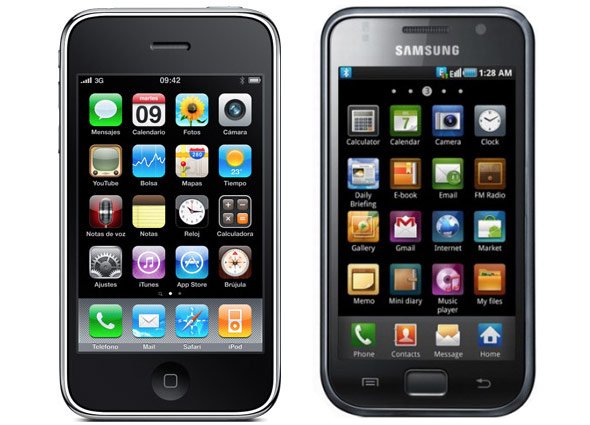
The iPhone compared to the Samsung Galaxy S

As it turns out, stealing key ideas from other companies and then using its own portfolio of patents to draw out lawsuits is a tactic that Samsung used long before Apple came into the picture.
According to various court records and people who have worked with Samsung, ignoring competitors' patents is not uncommon for the Korean company. And once it's caught it launches into the same sort of tactics used in the Apple case: countersue, delay, lose, delay, appeal, and then, when defeat is approaching, settle.
In 2007, Sharp filed a lawsuit against Samsung, alleging that the South Korean company had violated its patents. Samsung countersued, drawing out the lawsuit as it continued to produce TV sets using the stolen technology, building up its TV business. Samsung was found guilty of patent infringement years later in 2009, at which point it settled with Sharp to avoid an import ban.

There's a similar story with Pioneer, who filed a patent infringement lawsuit against Samsung over plasma television technology in 2006. Samsung countersued, dragging on litigation and appeals until a 2009 settlement. The long and expensive legal battle caused Pioneer to shut down its television business while Samsung thrived. Samsung has pulled the same stunt with Kodak, Apple, and several other technology companies.

Samsung hit Apple with the same tactic following the release of the iPhone. As has been documented during the ongoing global lawsuits between the two companies, Samsung evaluated the iPhone feature-by-feature and came up with 126 instances where Apple's iPhone was better than its own offerings, which led to the development of the Galaxy S.
Bit by bit, the new model for a Samsung smartphone began to look--and function--just like the iPhone. Icons on the home screen had similarly rounded corners, size, and false depth created by a reflective shine across the image. The icon for the phone function went from being a drawing of a keypad to a virtually identical reproduction of the iPhone's image of a handset. The bezel with the rounded corners, the glass spreading out across the entire face of the phone, the home button at the bottom--all of it almost the same.
Following the release of the Galaxy S and Samsung's refusal to sign licensing agreements with Apple due to its former history of successfully avoiding significant penalties for copying intellectual property, Apple filed its first lawsuit against Samsung. Samsung, of course, followed, leading to where we are today -- Samsung has thus far been ordered to pay Apple just over a billion dollars in the United States after two lawsuits, but appeals are far from over. Samsung has continued to develop its Galaxy line of devices and has cemented itself as Apple's biggest competitor.
Meanwhile, as has happened with other cases where Samsung violated a company's patents, it has continued to develop new and better phones throughout the litigation to the point where even some people who have worked with Apple say the Korean company is now a strong competitor on the technology and not just a copycat anymore.
The full story, which covers Samsung's history, its past patent lawsuits and other legal woes, Apple's creation of the original iPhone, and the dispute between the two companies, can be read over at Vanity Fair.

Samsung Manufacturing Issues Reportedly Overblown, May Split A8 Production with TSMC

วันพุธที่ 12 มีนาคม พ.ศ. 2557

Samsung may play a larger role in the production of Apple's next generation A8 processor than previously rumored, claims ZDNet Korea (via GforGames). According to the report, the Korean company has already signed a contract to produce the A8 processor at its Austin, Texas plant and is in the final stages of testing before mass production begins.

tsmc_samsung_logo
This latest information from an anonymous Samsung official contradicts an earlier report that said Samsung was struggling with poor yields of the A8 processor and could not meet Apple's demands. As a result, the bulk of A8 chip production was said to be shifting to Taiwan Semiconductor Manufacturing Company (TSMC). These "manufacturing issues" were "exaggerated claims" says the Samsung source, stating that the company is ready to start mass production of the A8 in Q2 2014.

While Samsung and TSMC may be splitting A8 production however, the latter already appears to have a lead on the Korean manufacturer. A recent report from Taiwan's Commercial Times claims TSMC has started production of the next generation chip.

Samsung has been the exclusive manufacturer of Apple's A-series chips, but Apple has been looking to depend less on its rival by shifting some of its orders to TSMC. Apple reportedly struck a deal with TSMC in 2013 to start A-series chip production early in 2014.

credit : googledrive.com/host/0B7NKAY5rSqLJWU8zeER4RmxYamM
credit : googledrive.com/host/0B7NKAY5rSqLJZzlwaW8xSlE4Z3c

Apple Released Confidential License Terms with Nokia While Sanctioning Samsung for Role in Leaks

วันพฤหัสบดีที่ 6 มีนาคม พ.ศ. 2557

Last October, Apple filed a motion seeking sanctions against Samsung and its outside lawyers, accusing both of unlawfully sharing sensitive data about Apple's 2011 patent license agreement with Nokia. Specifically, the motion stated that a Samsung executive informed Nokia that the terms of the patent settlement were "known to him", and used that information to negotiate other patent agreements in Samsung’s favor. The license terms between Apple and Nokia were marked "Highly Confidential - Attorneys' Eyes Only", but were shared with other Samsung employees.

apple_samsung_logos
In January, Judge Paul S. Grewal ruled against imposing sanctions on Samsung, instead choosing to solely penalize the company's law firm, Quinn Emanuel. Now however, FOSS Patents is reporting that Apple released its confidential license terms with Nokia and the NEC while seeking sanctions against Samsung for its role in the leaks.

The license terms were viewable in a publicly accessible court proceedings document on the Internet for four months before they were removed, as Samsung has filed a new motion asking the court to reduce the penalties against its law firm:
Apple's and Nokia's scorched-earth approach to Samsung's inadvertent disclosure, and the amount of the concomitant fees Apple and Nokia incurred in pursuing those efforts, must be juxtaposed against the fact that Apple had simultaneously posted (and Nokia neglected to notice) this information on the Internet for all the world to see. The fee award should be reduced accordingly.
Samsung also added in its filing that Apple should now be required to provide information as to what happened based on "transparency and evenhandedness." A hearing on Samsung's new motion against Apple is scheduled to take place on April 8, as the company also states it may seek further sanctions against Apple after reviewing other information about the situation.

The new motion comes before a second patent infringement lawsuit between Apple and Samsung is set to begin on March 31, 2014. Samsung will only have four patents claims to bring to the upcoming trial, as Judge Koh invalidated two of its patent claims in January.

credit : aemachinesports.url.ph
credit : wormholespace.com
credit : machinesport.wink.ws

Samsung Reveals Galaxy S5 With Home Button Fingerprint Sensor, Accompanying 'Gear Fit' Band

วันอังคารที่ 25 กุมภาพันธ์ พ.ศ. 2557


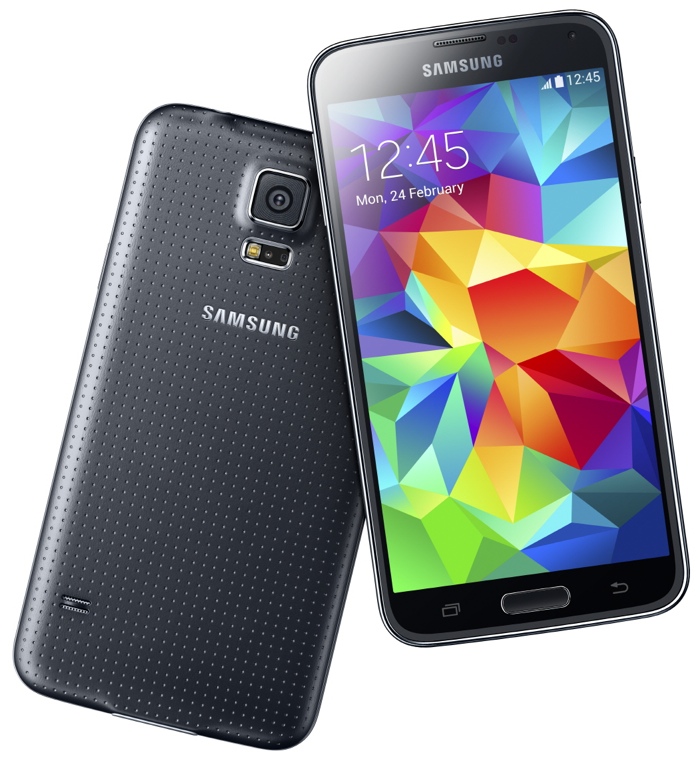
Samsung today revealed its next-generation Galaxy S5 flagship phone at its Unpacked 5 event at Mobile World Congress in Barcelona, Spain. As rumored, the 5.1-inch Galaxy S5 includes a fingerprint sensor built into the device's home button, mirroring Apple's own Touch ID introduced with the iPhone 5s.

galaxys5
Unlike Touch ID, which utilizes a round home button that captures a motionless fingerprint, Samsung's sensor is activated using a swiping motion that scans the finger from base to tip as the phone utilizes a rectangular home button. SlashGear has a demonstration of the fingerprint scanner.


Samsung is working with PayPal on integrating it into mobile payments, too, so that you could effectively buy apps, products, and services and authorize the transaction with a fingertip rather than a password or PIN. We found the hit-rate for the scanner recognizing our fingers was relatively high, though you do have to line your fingertip up properly: the Galaxy S5 prefers a clean downward swipe, not a sideways movement such as if you're holding the phone one-handed and sweeping your thumb across the sensor.
Design-wise, the polycarbonate Samsung Galaxy S5 looks similar to previous models, though it has a unique soft-touch textured backing, a water resistant casing, and it comes in both blue and copper gold along with black and white.

The 5.1-inch Super AMOLED display features a resolution of 1920 x 1080 and the phone offers a 2.5GHz quad core processor with 2GB of memory. It runs Android KitKat 4.4.2 and includes an upgraded 16-megapixel camera with quick autofocus and real-time HDR. It has a 20 percent better battery life than the previous generation phone and includes a built-in power saving mode that will activate a black and white display with limited app access when the battery is low.

Taking a cue from Apple's reported interest in health-related applications, Samsung has included a heart rate sensor next to the camera's flash, able to measure heart rate with a finger on the sensor. The heart rate sensor accompanies the standard accelerometer, gyroscope, proximity sensor, compass and an IR-based gesture sensor.

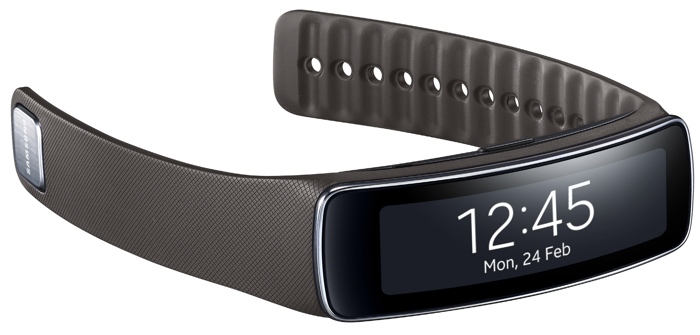
Samsung's Galaxy S5 is also designed to work with a new fitness device, the Gear Fit, which accompanies Samsung's recently revealed Gear 2 and Gear 2 Neo smart watches. The Gear Fit is smaller than Samsung's other offerings and focuses on measuring heart rate and counting steps. It incorporates an AMOLED touchscreen panel and offers smartphone notifications and alerts, but it does not include a camera, a microphone, or a speaker.

credit : https://googledrive.com/host/0B7NKAY5rSqLJSW5kN2tUZV95bnc/


Translate

Most Reading

Tags